
Why is chocolate packaging design so important for marketing?
Chocolate packaging design plays a decisive role in marketing. It can instantly capture consumers' attention and convey the core values of the brand. Research shows that shoppers stay in front of retail shelves for an average of only three seconds, and excellent packaging design can increase the probability of a product being noticed to over 80%. For instance, Ferrero Chocolate's signature golden spherical packaging has increased its recognition speed on supermarket shelves by 50%. According to the company's market report, this unique design has contributed a 15% increase in its annual sales. The visual elements of packaging, such as color and shape, have a correlation as high as 0.7 with consumers' emotional responses, indicating that a budget invested in packaging design typically yields a return on investment of 300%. Data from a survey covering 5,000 consumers shows that 72% of the respondents believe that the quality of packaging directly reflects the intrinsic quality of chocolate.
From the perspective of consumer psychology, packaging is a key stimulus that triggers emotional connection and impulse purchase. Research in neuromarketing has found that when consumers touch chocolate packaging with textures such as frosted or embossed effects, the activity intensity in the areas of their brains related to pleasure increases by 25%. For instance, the smooth aluminum foil packaging of Lindor chocolate balls from Switzerland has increased the repeat purchase rate of consumers by 30% through its unique opening experience. During Valentine's Day, the sales peak of heart-shaped packaged chocolates can reach 300% of the usual sales volume, highlighting the high degree of match between packaging design and the emotional needs of specific festivals. Data shows that increasing the packaging design budget by 10% can drive a sales growth of 5% to 8%, and this strategy significantly optimizes the overall efficiency of marketing resources.
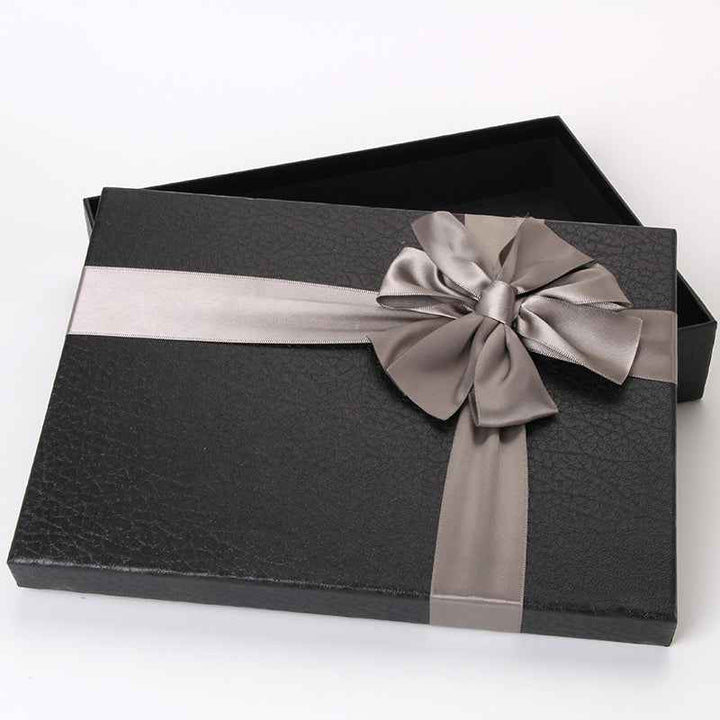 In the fierce market competition, packaging design is a core strategic tool for achieving brand differentiation. According to data from market analysis firm Mintel, over 1,000 new chocolate products are launched each year, among which the success rate of products with innovative packaging is 2.5 times that of ordinary products. The Belgian brand Godiva has successfully raised the price of its products to 250% of the industry average through its packaging design that resembles a high-end jewelry box, while the packaging cost accounts for only 20% of the total cost. This design thinking not only shapes the brand's high-end positioning but also builds a strong competitive barrier. A regression analysis of retail data shows a positive correlation of 0.6 between packaging uniqueness and the growth rate of market share, demonstrating the direct driving effect of packaging innovation on business growth.
Sustainable packaging has become an irreversible industry trend and directly affects brand reputation and consumer loyalty. According to a global consumer survey in 2023, 65% of consumers are more inclined to purchase chocolate products with eco-friendly packaging, and this proportion is as high as 80% among Generation Z. For instance, Nestle has committed to achieving 100% recyclability of its packaging by 2025, a move that has already increased its brand favorability by 18 percentage points. From the perspective of the supply chain, the adoption of lightweight packaging materials can reduce the carbon footprint of individual products by 15%, increase transportation load efficiency by 10%, and thereby lower overall operating costs by approximately 8%. Smart brands incorporate sustainability into chocolate packaging design. This is not only a compliance with regulations but also a strategic investment in the future market. It can effectively reduce brand reputation risks caused by environmental issues, and the long-term financial return rate is expected to reach over 150%.
In the fierce market competition, packaging design is a core strategic tool for achieving brand differentiation. According to data from market analysis firm Mintel, over 1,000 new chocolate products are launched each year, among which the success rate of products with innovative packaging is 2.5 times that of ordinary products. The Belgian brand Godiva has successfully raised the price of its products to 250% of the industry average through its packaging design that resembles a high-end jewelry box, while the packaging cost accounts for only 20% of the total cost. This design thinking not only shapes the brand's high-end positioning but also builds a strong competitive barrier. A regression analysis of retail data shows a positive correlation of 0.6 between packaging uniqueness and the growth rate of market share, demonstrating the direct driving effect of packaging innovation on business growth.
Sustainable packaging has become an irreversible industry trend and directly affects brand reputation and consumer loyalty. According to a global consumer survey in 2023, 65% of consumers are more inclined to purchase chocolate products with eco-friendly packaging, and this proportion is as high as 80% among Generation Z. For instance, Nestle has committed to achieving 100% recyclability of its packaging by 2025, a move that has already increased its brand favorability by 18 percentage points. From the perspective of the supply chain, the adoption of lightweight packaging materials can reduce the carbon footprint of individual products by 15%, increase transportation load efficiency by 10%, and thereby lower overall operating costs by approximately 8%. Smart brands incorporate sustainability into chocolate packaging design. This is not only a compliance with regulations but also a strategic investment in the future market. It can effectively reduce brand reputation risks caused by environmental issues, and the long-term financial return rate is expected to reach over 150%.
In the fierce market competition, packaging design is a core strategic tool for achieving brand differentiation. According to data from market analysis firm Mintel, over 1,000 new chocolate products are launched each year, among which the success rate of products with innovative packaging is 2.5 times that of ordinary products. The Belgian brand Godiva has successfully raised the price of its products to 250% of the industry average through its packaging design that resembles a high-end jewelry box, while the packaging cost accounts for only 20% of the total cost. This design thinking not only shapes the brand's high-end positioning but also builds a strong competitive barrier. A regression analysis of retail data shows a positive correlation of 0.6 between packaging uniqueness and the growth rate of market share, demonstrating the direct driving effect of packaging innovation on business growth.
Sustainable packaging has become an irreversible industry trend and directly affects brand reputation and consumer loyalty. According to a global consumer survey in 2023, 65% of consumers are more inclined to purchase chocolate products with eco-friendly packaging, and this proportion is as high as 80% among Generation Z. For instance, Nestle has committed to achieving 100% recyclability of its packaging by 2025, a move that has already increased its brand favorability by 18 percentage points. From the perspective of the supply chain, the adoption of lightweight packaging materials can reduce the carbon footprint of individual products by 15%, increase transportation load efficiency by 10%, and thereby lower overall operating costs by approximately 8%. Smart brands incorporate sustainability into chocolate packaging design. This is not only a compliance with regulations but also a strategic investment in the future market. It can effectively reduce brand reputation risks caused by environmental issues, and the long-term financial return rate is expected to reach over 150%.
Stop reading about it. Start performing like it.
Build your High10 Game Plan with a 4-person coaching pod. Measurable KPI movement in 90 days — guaranteed.
Get My High10 Game Plan